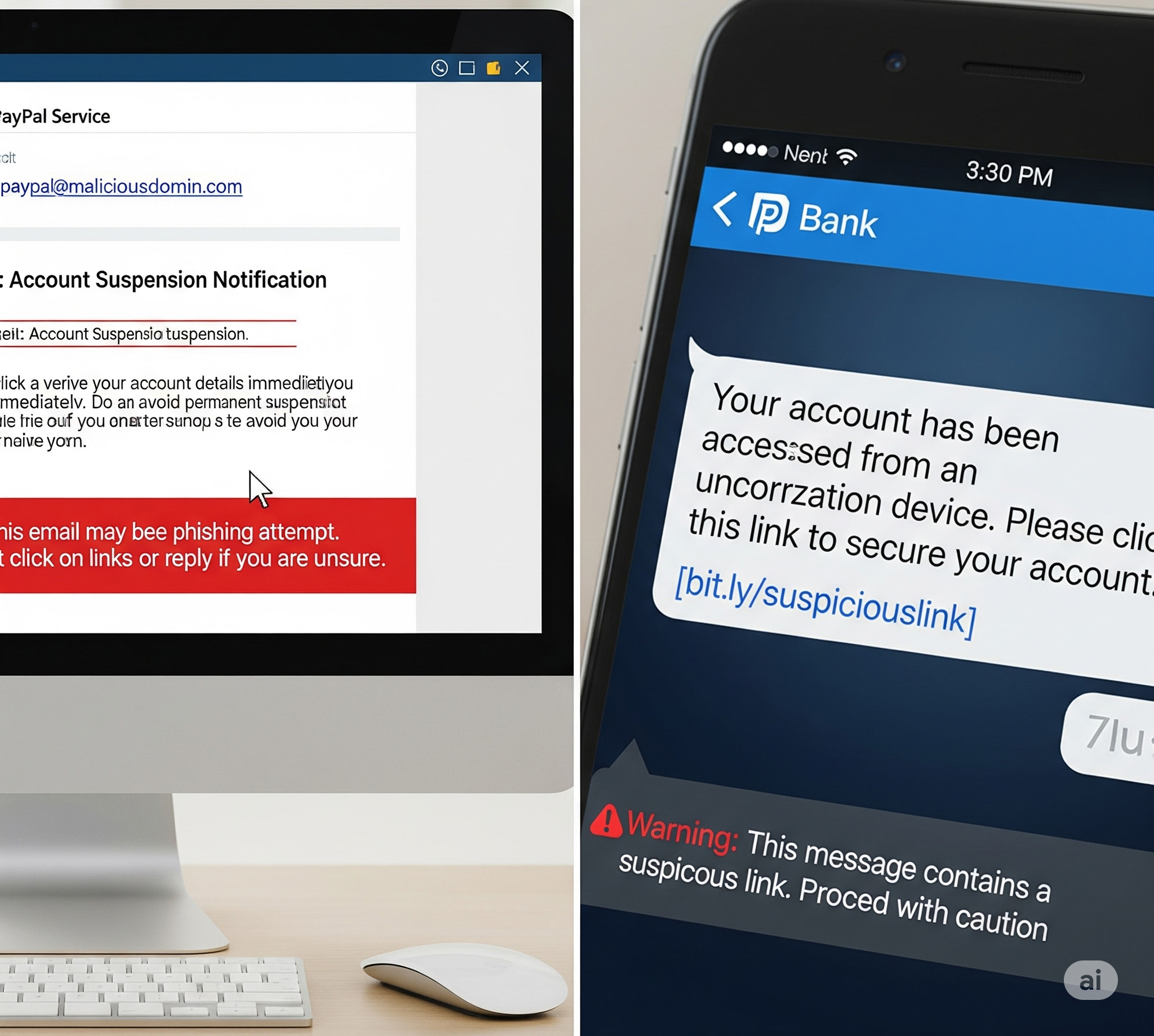
We all use the internet for so many things these days, from checking our emails to shopping and keeping in touch with family. But just like in the real world, there are people out there who try to trick us. This is called “phishing,” and it’s when someone pretends to be a company or person you trust to steal your personal information, like your passwords or bank details. It might sound scary, but the good news is that once you know what to look for, it’s much easier to spot these tricks. Learning to identify these signs is one of the best ways to protect yourself and your valuable information online.
In this lesson, we will try to help you detect phishing attempts made through suspicious emails and messages and also help you carry out your online transactions and banking transactions safely.
Aunt Ayşe’s Close Call with a Phishing Scam
Do you remember our digital heroine, Aunt Ayşe? Aunt Ayşe loves taking advantage of all the digital possibilities. One day, when she checked her email, it didn’t take long for her to realize something was wrong.
Aunt Ayşe’s heart fluttered as she stared at the screen. An email, supposedly from her bank, warned of a security breach and demanded she click a link immediately. The message looked so real, but something was off. The sender’s address was a jumble of letters, and the urgent tone felt like a trick. Her hand hovered over the mouse, trembling. She had to decide: was this a genuine warning, or another clever trap?
She immediately began researching how phishing attempts could occur:
M2-U2-L2-B EN BonJour by Hasan Y
Aunt Ayşe Learns to Bank Safely Onlin
There was another issue that Aunt Ayşe needed to handle: ‘Online transactions and banking transactions safely.’
She immediately started to make a search on the topic . She did not want to be hacked or lose anything.
Because she was quite aware that: Ensuring the safety of your online and banking transactions is more important than ever. With so much of our lives now happening digitally, from paying bills to shopping and managing our money, it’s crucial to know the simple steps that can protect us from fraud and scams. By being aware of a few key practices, we can confidently and securely handle your finances online.
Let’s take a look at the issues that particularly caught Aunt Ayşe’s attention.
M2-U2-L2-C EN Bonjour by Hasan Y
Summary of the lesson
It’s crucial for us to study these topics because the digital world, while full of convenience, also presents new risks like online scams. Learning about phishing and safe online practices is not about becoming a computer expert; it’s about gaining the knowledge to protect yourself and your finances. By understanding the signs of a scam and how to securely manage your online accounts, you can enjoy the benefits of the internet—like connecting with family and accessing services—without fear. This knowledge gives you confidence and peace of mind, ensuring your digital life is both secure and enjoyable.
Previous and next lessons
