
Flipped Learning 3.0 is more than just a teaching method.
It is a structured framework designed to match how adults actually learn.
Adult learners bring experience, clear goals, and often limited time.
Flipped Learning responds to these needs by combining flexibility, active learning, and meaningful support.
Instead of focusing on content delivery, it creates space for application, interaction, and real-life relevance.
Adults learn best when they actively use knowledge.
By moving content input outside the classroom, learning time is used for:
- discussion
- problem-solving
- collaboration
- real-life application
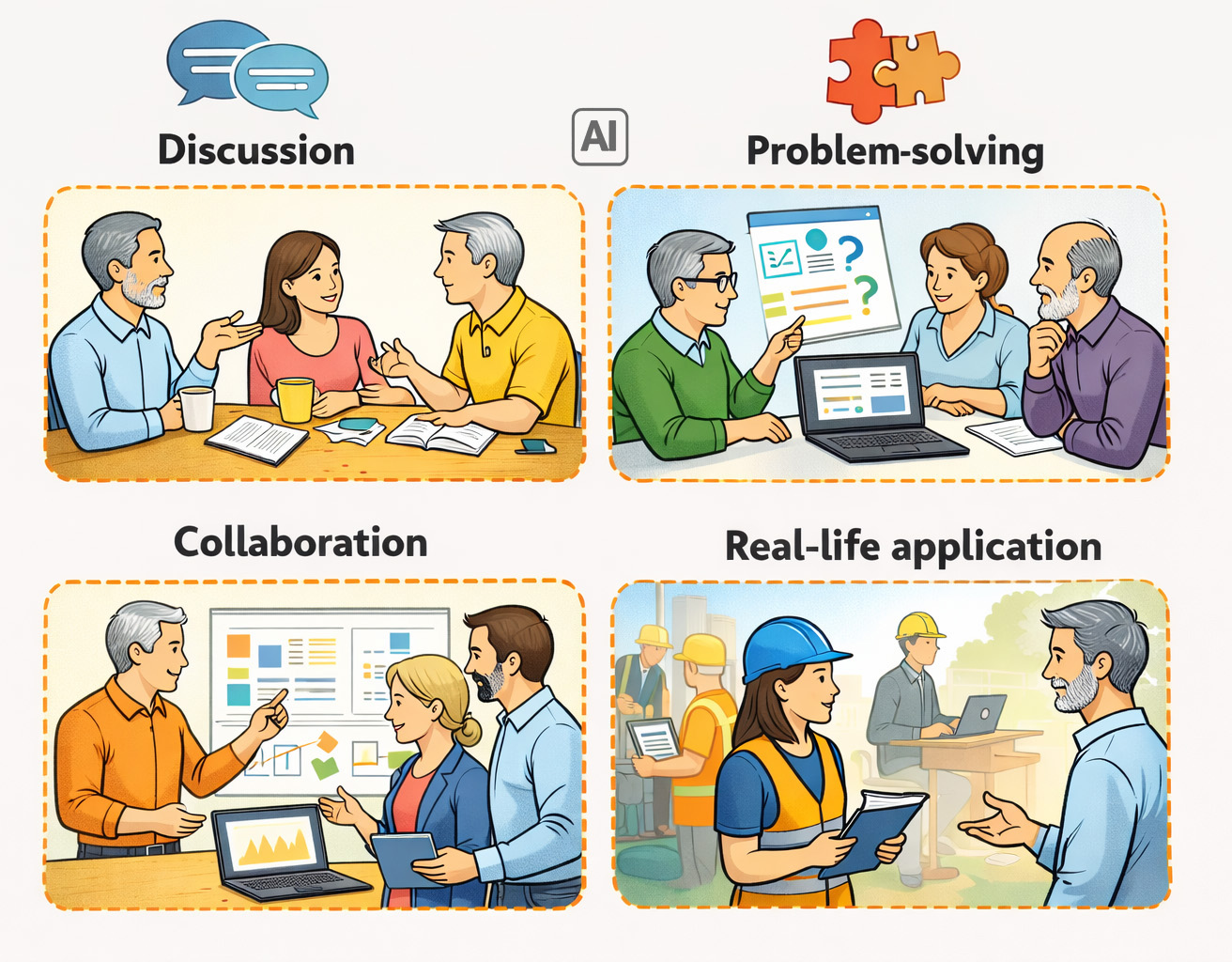
This reflects the idea of Intentional Content: focusing on what really matters for understanding and practice.
As a result, learning becomes more relevant, practical, and memorable.
Adult learners already have valuable knowledge and experience.
Flipped Learning promotes a Learning Culture where:
- learners share perspectives
- experiences are discussed and reflected
- knowledge is co-created
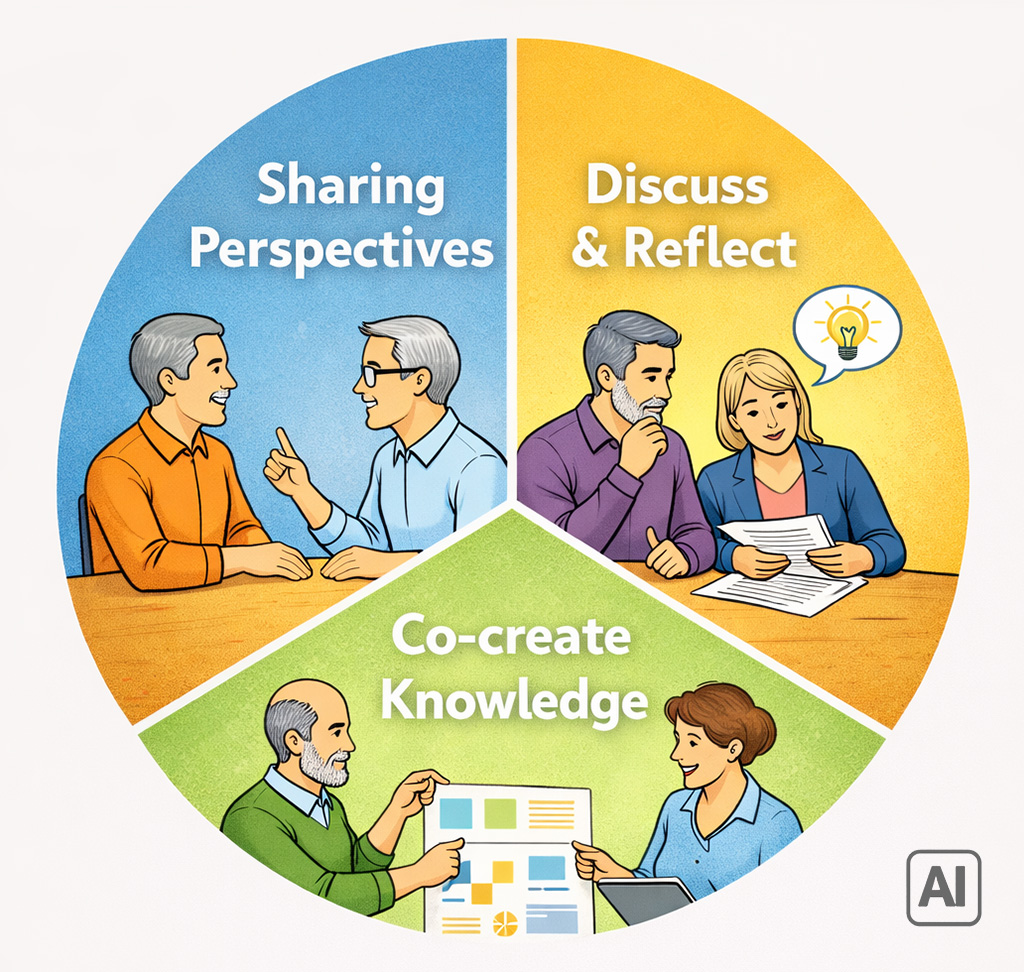
Learners are not passive listeners. They are active contributors in the learning process.
The Adult Learning Advantage
| Traditional Learning | Flipped Learning 3.0 |
|---|---|
| Focus on content delivery | Focus on active application |
| Fixed pace and structure | Flexible and personalised |
| Passive listening | Active participation |
| Teacher as main expert | Learners as co-creators |
| Limited interaction | High collaboration and feedback |
You got an initial overview to the Flipped Learning approach. Please take this brief test to check your new knowledge!
Flipped Learning respects the time, experience, and independence of adult learners. It creates a more engaging, effective, and meaningful learning experience.
Think about your own learning or teaching experience:
When do you learn most effectively: by listening or by doing?
How important is flexibility in your learning process?
How could you use your own experience more actively in learning situations?
Assignment: Write down 2–3 key thoughts.